
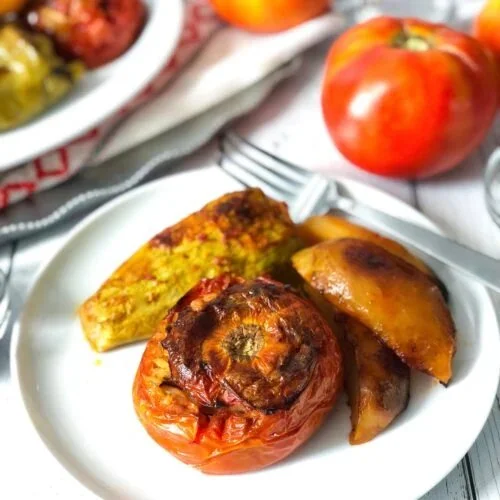
Yemista, also known as Gemista, is a delightful dish that captures the essence of Mediterranean comfort food. This traditional Greek recipe features an array of colorful vegetables, stuffed to the brim with a savory mixture of rice, herbs, and spices. The aroma wafting from the oven while it’s baking is enough to make anyone’s mouth water. Not only is this dish easy and family-friendly, but it also evokes nostalgic memories of summer gatherings and the joy of shared meals around the table. This step-by-step guide will ensure you master this hearty Yemista recipe, bringing a taste of Greece into your kitchen.
Ingredients
To create the perfect Yemista, you will need an assortment of 12 to 15 fresh vegetables, perfect for stuffing. Opt for vibrant bell peppers, juicy tomatoes, small eggplants, and tender zucchinis to make this dish visually appealing and flavorful. The ingredients include:
- Assorted bell peppers, tomatoes, small eggplants, and zucchini
- ½ cup olive oil, providing richness and depth
- 1 yellow onion, finely chopped to enhance the aromatic base
- ½ cup chopped parsley for freshness
- ½ tablespoon minced garlic for added zest
- ¼ cup chopped green onions (both white and green parts), adding a milder onion flavor
- ¼ cup chopped fresh dill or mint for herbaceous notes
- 1 teaspoon paprika, introducing a subtle warmth
- 2 cups mixed shredded zucchini and carrots for texture
- 1½ cups tomato sauce, a crucial component for moisture and tang
- 2 cups uncooked medium grain rice, serving as the filling’s backbone
- 1 tablespoon salt and 1 teaspoon pepper to season
- Sugar to balance the acidity of the tomatoes
- 1½ cups reserved tomato pulp, ensuring maximum flavor
- Additional tomato sauce, if needed, for extra moisture
- ½ cup vegetable oil (you can also use olive oil for consistency)
- 1 teaspoon sugar
- ½ teaspoon salt
- Potatoes (optional) for filling any gaps in the roasting pan
- Water (if needed) to adjust consistency during baking
The combination of these ingredients creates a colorful, creamy, and aromatic dish that is not only satisfying but also visually stunning.
Step-by-Step Directions
Start by preheating your oven to 375 degrees Fahrenheit, creating the perfect environment for your Yemista to bake beautifully.
Preparing the Vegetables
Begin by washing and preparing your vegetables. For the peppers, remove the seeds and ribbing, keeping the lids for later. Place the peppers and their lids into a bowl and cover them with boiling water for about 10 minutes to soften. This step helps the flavors meld and makes for easier stuffing. After 10 minutes, drain the peppers and rinse them with cold water.
For the tomatoes, carefully cut off the tops and scoop out the insides, discarding the seeds. Blend the gathered tomato pulp and measure it out—set aside for later. If necessary, add enough tomato sauce to ensure you have 1½ cups of liquid.
For zucchinis, remove the stem ends and carve out a small pyramid piece to act as a stopper. Carefully hollow the zucchinis without breaking the skin. Repeat this process with the eggplants, then soak them in boiling water for another 10 minutes before rinsing with cold water.
Next, finely chop the innards of the zucchinis and grate one medium carrot, ensuring you have a total of two cups of mixed filling. If you have more zucchini or carrot, feel free to add them to reach the required quantity.
Making the Filling
In a large pot, heat ½ cup of olive oil over medium heat. Add the chopped onion and sauté for about 5 minutes, until the onion becomes soft and translucent—careful not to let it burn.
In a bowl, mix together parsley, minced garlic, green onions, dill or mint, paprika, the shredded zucchini and carrots, tomato sauce, rice, salt, and pepper. Stir well to combine all the flavors and then add this mixture to the pot with the sautéed onions. Heat until the filling is well combined and warmed through, then remove it from the heat.
Stuffing the Vegetables
Begin the assembly of your Yemista by carefully stuffing each hollowed vegetable with the filling mixture. Be cautious not to pack it too tightly, leaving room for the rice to expand as it cooks. When stuffing the tomatoes, remember to add ½ teaspoon of sugar to the bottom of each shell—a trick passed down through generations to enhance sweetness, especially with store-bought tomatoes.
Once all your vegetables are stuffed, place their lids back on, arranging them snugly in a roasting pan. If you have any extra space, cut and insert peeled potatoes around the vegetables for added flavor.
The Final Bake
Combine the reserved tomato pulp with ½ cup of vegetable oil, the teaspoon of sugar, and the ½ teaspoon of salt. Pour this mixture over the stuffed veggies in the roasting pan. Bake your Yemista in the preheated oven for about two hours, ensuring to check on it periodically. If you find that the liquid has evaporated, add some water to keep everything moist.
After two hours, allow the dish to cool for a few minutes before serving. Each bite of the tender vegetables bursting with flavorful filling is simply irresistible.
Tips & Tricks
To elevate your Yemista, consider using seasonal vegetables for a fresher taste. Adding some toasted pine nuts or walnuts to the filling can create an exciting crunch. If you want to introduce a different flavor profile, try incorporating raisins for a sweet contrast. Another useful tip is to let the dish rest after baking; this allows the flavors to deepen even further.
Serving Suggestions & Pairings
Yemista can be served as a standalone meal or alongside a refreshing salad of mixed greens, drizzled with lemon and olive oil. Pair it with some crusty bread for a rustic experience or alongside tzatziki for a cooling complement. This dish makes an ideal centerpiece for family gatherings or festive occasions, encouraging everyone to dig in and savor the flavors together.
Nutritional Information
A serving of Yemista (about one stuffed vegetable) contains approximately 300-400 calories, depending on the size and type of vegetables used. The dish is rich in vitamins, fiber, and wholesome carbohydrates from the rice and vegetables, offering a balanced meal that is both satisfying and nutritious.
Storing Tips & Variations
Store any leftovers in an airtight container in the refrigerator for up to 3 days. Yemista can also be frozen! Just ensure to let it cool completely before placing it in a freezer-safe container. To reheat, simply bake in the oven at 350 degrees Fahrenheit until heated through, adding a splash of water if needed to maintain moisture.
For variations, try swapping out the rice for quinoa to give it a nutty flavor or experimenting with different herbs like basil or oregano.
Conclusion
Cooking Yemista is not just about creating a dish; it’s about creating a memory. This recipe brings people together, providing an opportunity to share meals and stories. So give it a try—bring the delightful flavors of Greek cuisine into your home, and don’t forget to share your experience with family and friends!
FAQs
-
Can I make Yemista ahead of time?
Yes, you can prepare the filling and stuff the vegetables a day in advance. Store them in the refrigerator and bake when ready to serve. -
What other vegetables can I use for stuffing?
Aside from peppers, tomatoes, zucchinis, and eggplants, you can consider using heirloom tomatoes, acorn squash, or even mushrooms. -
Can I make this dish vegan?
Absolutely! This recipe is naturally vegan, as it’s composed of vegetables and grains without any animal products. -
How do I know when the Yemista is done cooking?
The dish is ready when the vegetables are tender and the rice has absorbed all the flavors and liquid. The tops should be slightly golden brown. -
What is the best way to serve Yemista?
Serve it warm or at room temperature. It pairs wonderfully with a side salad and crusty bread for a complete meal.
Yemista
Ingredients
Method
- Preheat your oven to 375 degrees Fahrenheit.
- Wash and prepare the vegetables: remove seeds and ribbing from the peppers, keeping the lids. Soak them in boiling water for 10 minutes.
- For tomatoes, cut off the tops and scoop out the insides. Blend the gathered pulp and measure out 1 1/2 cups.
- Hollow zucchinis and eggplants, and soak them in boiling water for 10 minutes. Rinse with cold water.
- Finely chop the innards of zucchinis and grate one medium carrot to reach a total of 2 cups.
- In a pot, heat 1/2 cup of olive oil over medium heat and sauté the chopped onion for about 5 minutes until soft.
- Mix parsley, garlic, green onions, dill/mint, paprika, shredded zucchini and carrots, tomato sauce, rice, salt, and pepper in a bowl.
- Add the mixture to the pot and heat until well combined and warmed through.
- Carefully stuff each hollowed vegetable with the filling without packing it tightly.
- Add 1/2 teaspoon of sugar at the bottom of stuffed tomatoes.
- Replace the lids on all vegetables and arrange in a roasting pan. Cut and insert potatoes around any extra space.
- Combine reserved tomato pulp, 1/2 cup vegetable oil, 1 teaspoon sugar, and 1/2 teaspoon salt. Pour over the stuffed veggies.
- Bake for about two hours, checking periodically. Add water if the liquid evaporates.
- Allow to cool for a few minutes before serving.



Leave a Reply