
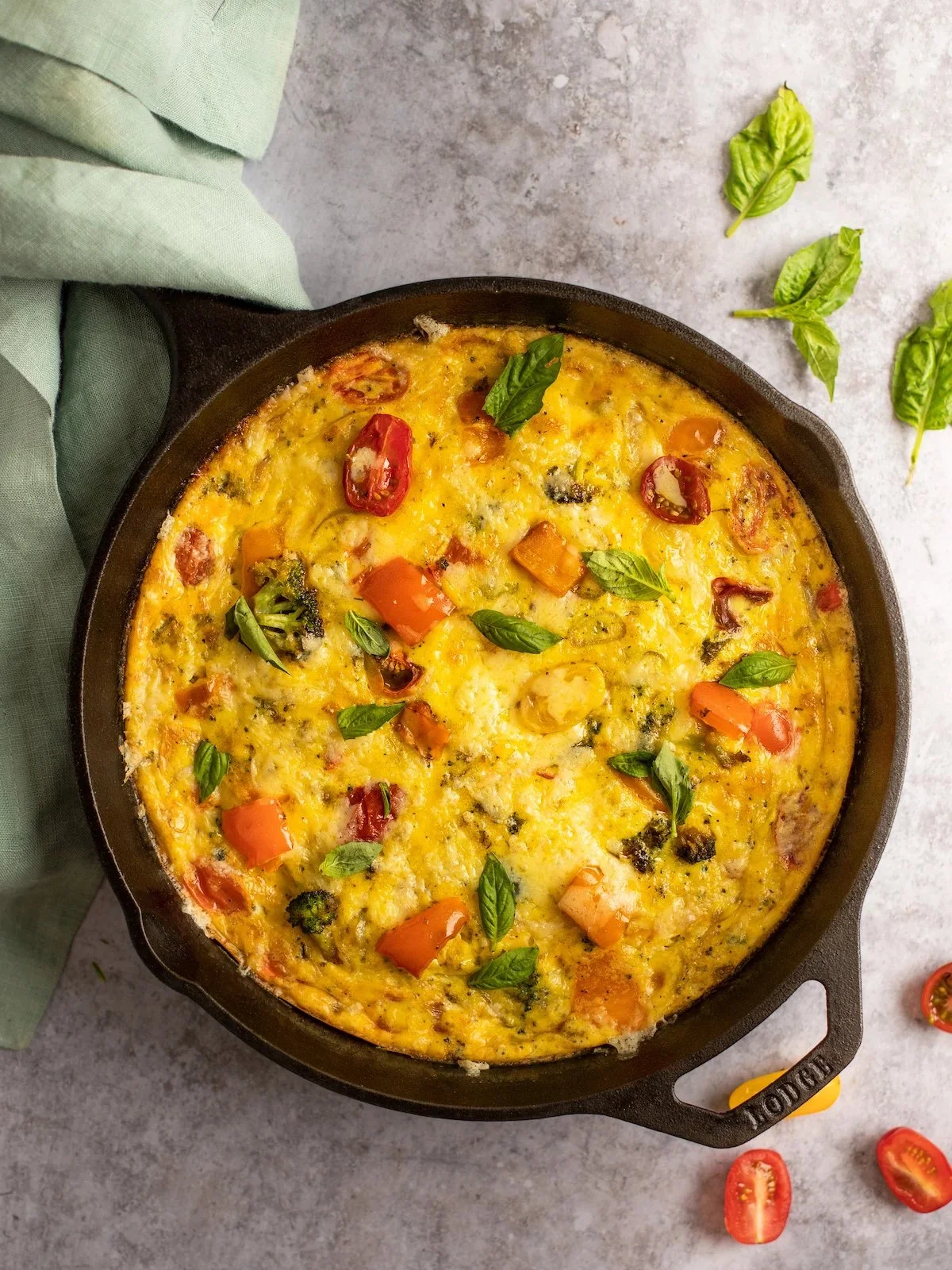
Best Basic Frittata Recipe is a delightful dish that brings together the comforting power of eggs, the richness of cream, and a colorful medley of your favorite seasoned vegetables. This simple and satisfying recipe is a charming blend of flavors and textures, making it perfect for a cozy brunch, a light dinner, or a quick weeknight meal. With its easy, step-by-step preparation, you’ll find that this frittata becomes a staple in your culinary repertoire, offering endless possibilities for customization and creativity. The aromatic shallots, creamy eggs, and melty cheese will evoke feelings of warmth and nostalgia, making every bite a comforting experience worth savoring.
Ingredients
To create this amazing Best Basic Frittata Recipe, you will need:
- 2 tablespoons extra virgin olive oil – This fragrant oil provides a smooth and flavorful base for your frittata.
- ¾ cup thinly sliced shallots – From 2 to 3 shallots, they will add a sweet, aromatic essence that enhances every bite.
- 2 cups seasoned, cooked vegetables or greens – Use your favorites for a colorful, nutritious addition; think bright bell peppers, earthy spinach, or tender zucchini.
- 8 large eggs – The stars of the dish, bringing richness and structure to the frittata.
- 1/3 cup heavy cream – This adds a silky, creamy texture that elevates the dish to creamy perfection.
- ½ teaspoon salt – A crucial element to enhance all the other flavors.
- ¼ teaspoon freshly ground black pepper – For a subtle kick and depth.
- 1¼ cup shredded cheese – Select your favorite variety, like Cheddar or Gruyere, for a melty, delicious finish.
Step-by-Step Directions
-
Preheat the oven to 325°F (165°C), and set an oven rack in the middle position. This temperature will ensure even cooking, giving your frittata that perfect custard-like texture.
-
Heat the oil in a 10-inch (25-cm) cast iron or ovenproof nonstick skillet over medium heat. Gently add the shallots and cook while stirring frequently until softened, about 3 to 4 minutes. Be careful not to let them brown; we want to preserve that sweet flavor.
-
Add the cooked vegetables to the shallots and stir to combine, allowing the flavors to meld beautifully.
-
In a large bowl, whisk together the eggs, heavy cream, salt, and pepper. The mixture should be frothy and light, which will give the frittata a lovely lift.
-
Combine the cooked vegetable mixture and cheese into the egg mixture, stirring gently to ensure everything is mixed evenly.
-
Pour the combined mixture back into the skillet (no need to wash it), spreading it evenly. Place it in the oven and bake for 20 to 23 minutes until set.
-
Safety tip: Immediately place an oven mitt over the pan handle to remind yourself it’s hot! The handle will stay warm for a significant time, so take care.
-
Serve the frittata directly from the skillet for a rustic touch, or use a rubber spatula to loosen the edges and slide it onto a serving platter for presentation.
Tips & Tricks
- Customize your ingredients: Don’t hesitate to swap out vegetables based on what’s in your fridge or what’s in season. Broccoli, cherry tomatoes, and even roasted sweet potatoes make excellent frittata additions.
- Herb addition: Add fresh herbs like basil, chives, or parsley to the egg mixture right before pouring into the skillet for a burst of fresh flavor.
- Baking time: Keep an eye on your frittata, as oven temperatures can vary. It’s done when the edges are set, and the center has a slight jiggle, which will firm up as it cools.
Serving Suggestions & Pairings
This Best Basic Frittata Recipe is incredibly versatile and goes well with various sides. Serve it with a fresh garden salad for a light lunch or pair it with crusty bread or warm pita and a dollop of tzatziki or hummus for dipping. It also pairs wonderfully with a chilled glass of lemonade or a hot cup of herbal tea, making it perfect for brunch or any relaxing gathering with family and friends.
Nutritional Information
A serving of this frittata contains approximately 300 calories, providing a rich source of protein and calcium, thanks to the eggs and cheese. It’s also packed with vitamins and minerals from the vegetables, offering a well-balanced option for any meal. Enjoy this dish as part of a varied and balanced diet.
Storing Tips & Variations
To store your leftover frittata, allow it to cool completely, then wrap it tightly in plastic wrap or transfer to an airtight container. It can be stored in the fridge for up to 4 days. If you want to keep it longer, frittata can be frozen for up to 3 months. To reheat, place individual slices in the microwave for a quick warm-up or pop them in the oven at 350°F (175°C) until heated through.
Feel free to experiment with other variations: try adding diced ham or smoked salmon for additional protein, or swap the cream for milk if you prefer a lighter version.
Conclusion
There you have it—a delightful Best Basic Frittata Recipe that’s rich in flavors and easy enough to whip up any time. This dish is perfect for any meal of the day, and its versatility means you can make it your own. So gather your ingredients and give it a try! Don’t forget to share your experience and favorite variations; I’d love to hear how you made this recipe your own!
FAQs
-
Can I use egg substitutes for this recipe?
Yes, you can use egg substitutes, but the texture may vary slightly. Look for brands that mimic the properties of eggs in cooking. -
What vegetables are best for a frittata?
You can use almost any cooked vegetables! Popular choices include spinach, bell peppers, zucchini, mushrooms, and tomatoes. -
Can I make this frittata ahead of time?
Absolutely! You can prepare it ahead of time and reheat it when you’re ready to serve. Just store it in the fridge for up to 4 days. -
How do I know when my frittata is done?
Your frittata is done when it is set around the edges and slightly jiggly in the center. It will continue to cook as it cools. -
Is it possible to make a frittata without cheese?
Yes, you can definitely make a frittata without cheese. It will still taste great, but the cheese adds a lovely creaminess that enhances the dish.
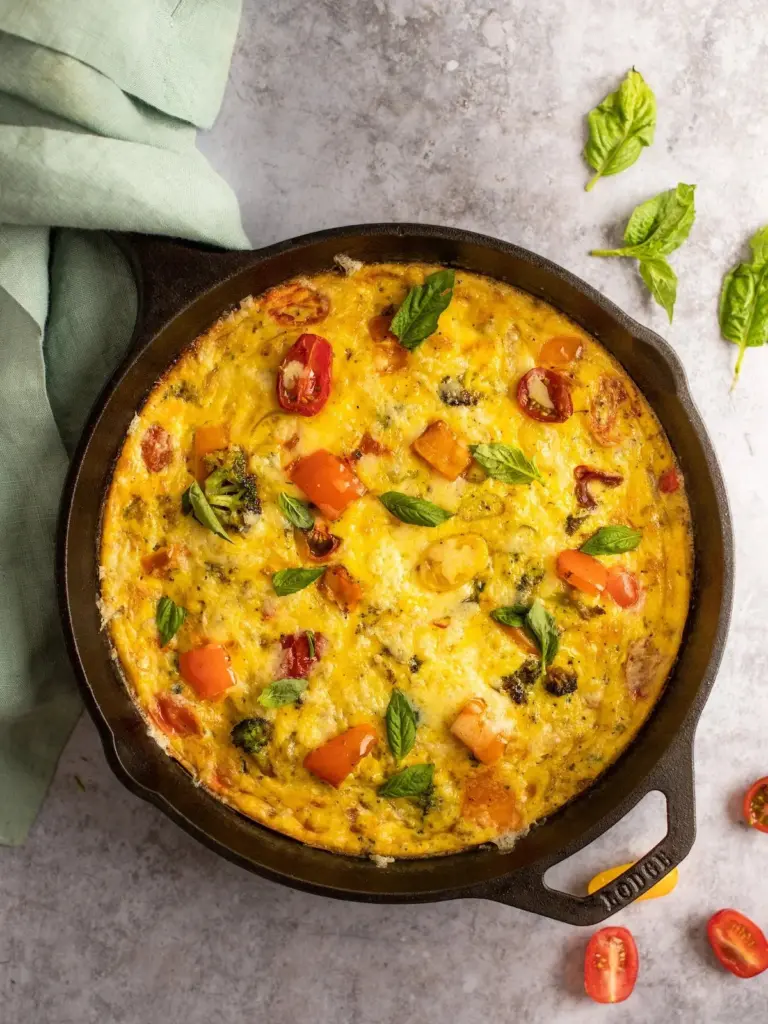
Basic Frittata
Ingredients
Method
- Preheat the oven to 325°F (165°C) and set an oven rack in the middle position.
- Heat the oil in a 10-inch cast iron or ovenproof nonstick skillet over medium heat.
- Add the shallots and cook while stirring frequently until softened, about 3 to 4 minutes.
- Add the cooked vegetables to the shallots and stir to combine.
- In a large bowl, whisk together the eggs, heavy cream, salt, and pepper until frothy and light.
- Combine the vegetable mixture and cheese into the egg mixture, stirring gently.
- Pour the combined mixture back into the skillet and spread it evenly.
- Bake in the oven for 20 to 23 minutes until set.
- Carefully place an oven mitt over the pan handle to avoid burns.
- Serve directly from the skillet or slide it onto a serving platter.


Leave a Reply